Pronunciation Across Languages
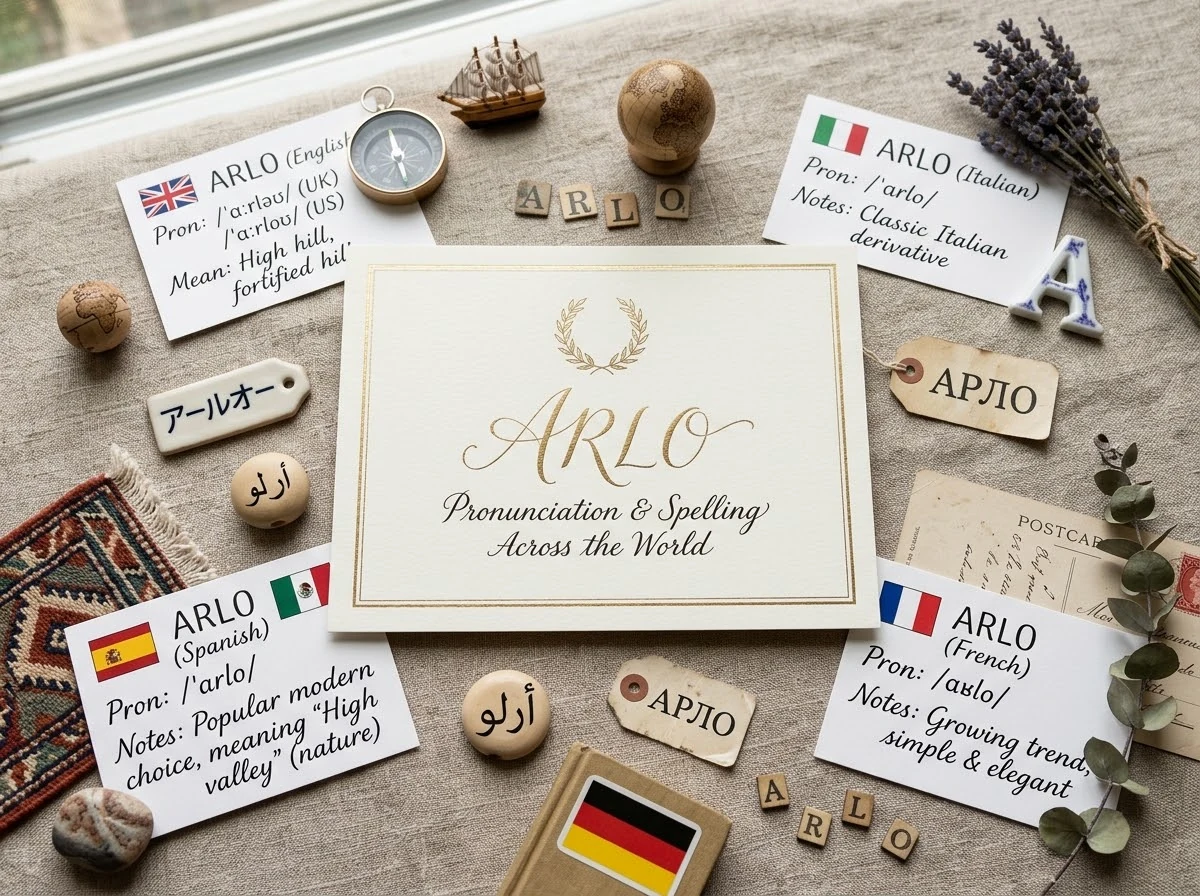
A name that sounds natural in one language can require sounds that do not exist in another, forcing a workaround pronunciation among relatives or in daily life abroad. If your family regularly moves between languages, it is worth testing the name with speakers of each one before finalizing it. Browsing names by origin in NickFinder's database can help you see how the same name is written and used across different naming traditions.
Sounds That Don't Translate Directly
No two languages share exactly the same set of consonant and vowel sounds. A sound that is easy in one language may not exist in another, so speakers substitute the closest sound they have. This is normal, but it means a name can end up pronounced differently by grandparents, teachers, or coworkers abroad than the parents intended — worth knowing before you finalize it.
Stress and Syllable Emphasis
Languages also differ in which syllable naturally carries the stress. A name that sounds balanced with the stress on one syllable can sound unfamiliar to speakers of a language that stresses a different one by default. If the name will be used in more than one language, say it aloud in each rather than assuming the pronunciation carries over automatically.
Testing the Name Out Loud With Family
The simplest, most reliable check: say the name to relatives or friends who speak each relevant language and ask them to say it back. This surfaces awkward sounds, stress shifts, and natural nicknames — all hard to predict from spelling alone.
Transliteration and Spelling
Names originating in non-Latin scripts are often rendered into English in more than one accepted way. If you plan to use the name across multiple countries or documents, decide on one consistent transliteration early to avoid inconsistent spelling across passports, school records, and other paperwork.
| Script family | Common spelling issue | What to check before finalizing |
|---|---|---|
| Arabic script | No single standardized system for rendering names into Latin letters, so the same name can appear with several accepted English spellings | Pick one spelling and use it consistently on every document, since offices in different countries may otherwise register it differently |
| Chinese script | Pinyin romanization reflects Mandarin pronunciation, but the tone marks are frequently dropped on official paperwork | Confirm whether the issuing authority will record tone marks, and decide if you want them kept for informal use even if dropped officially |
| Cyrillic script | More than one romanization standard exists, and passport offices do not always use the same one, so English spellings can differ between documents | Ask which transliteration standard the relevant passport or registry office follows before you settle on a spelling |
Accents and Diacritics
Some names include accent marks or diacritics that carry real pronunciation meaning in their language of origin but are frequently dropped, misread, or unsupported by forms and systems in other countries. Government databases and some school or digital forms still do not accept every diacritic, which can force a name to appear without its marks in certain records even when the family keeps them in everyday use. Decide in advance whether you will keep, adapt, or drop the diacritic, and apply that choice consistently across the documents that matter most — birth certificate, passport, and school records.
Unintended Meanings in Other Languages
Occasionally a name that is completely ordinary in one language happens to sound like, or spell out, an unrelated (sometimes unfortunate) word in another. It is worth checking the name against any languages relevant to your family or likely to be encountered — extended family's languages, the language of the country you live in now, and any the child is likely to meet later through school or travel. Asking a fluent speaker directly, rather than relying on a spelling search alone, catches meanings that only surface when the word is heard aloud. See our guide on what to check before trusting a name's meaning for a fuller process.
Surname Pairing Across Cultures
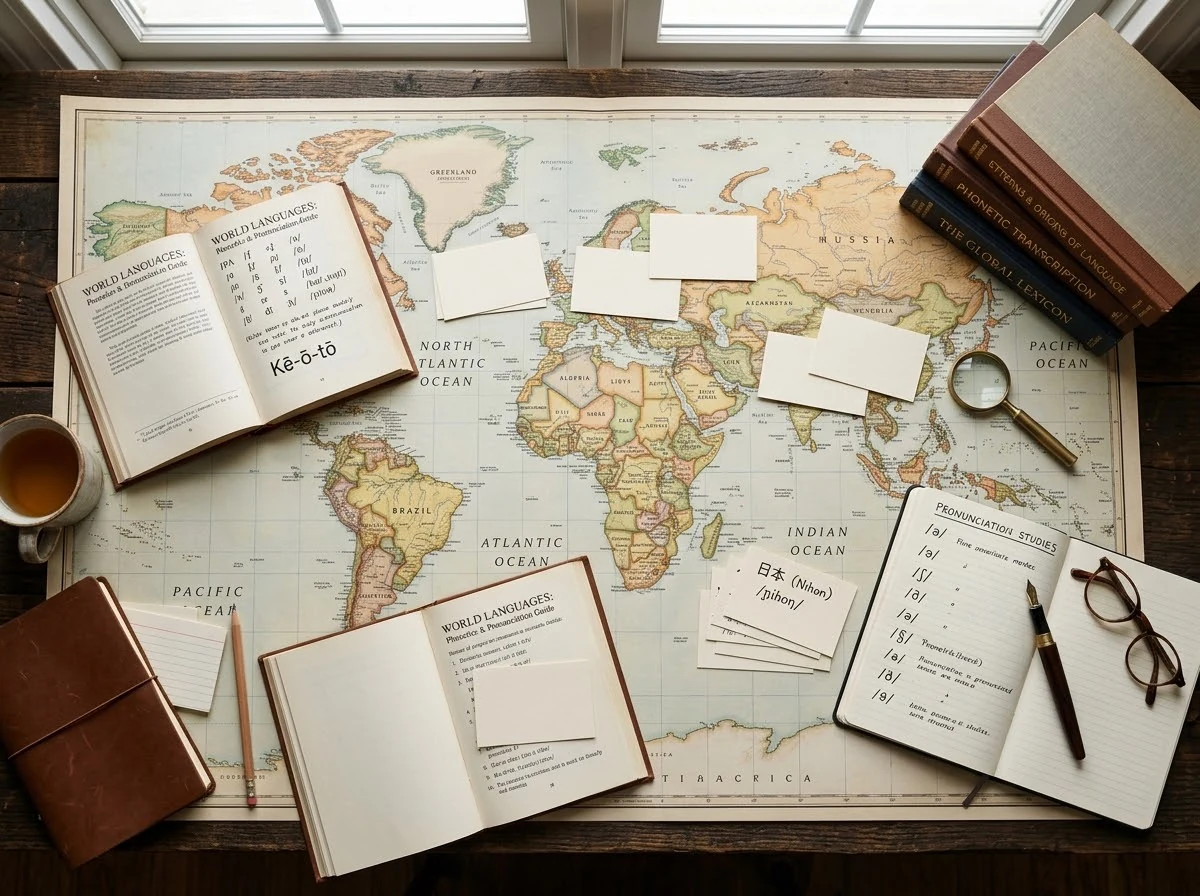
If the first name and surname come from different linguistic traditions, read them together carefully — the combination can sometimes feel disjointed even when each part is fine individually.
Cultural Respect
If you are drawn to a name from a culture that is not your own, it is worth taking the time to understand its actual significance and how it may be received, rather than choosing it purely for its sound. This is a matter of judgment for each family, not a fixed rule.
Common Mistakes to Avoid
Most international naming problems trace back to a handful of avoidable assumptions:
- Assuming pronunciation transfers unchanged. A name that sounds effortless in one language will not necessarily sound the same in another — check it with speakers of each.
- Assuming a name's meaning or familiarity is universal. What reads as classic in one culture can be unfamiliar, or read differently, in another.
- Not confirming the official transliteration first. Deciding on a spelling only after the birth certificate or passport is issued can leave a mismatch between the family's spelling and the official record.
- Overlooking nicknames and initials. Combined with a surname, a first name can produce a short form or set of initials no one anticipated — worth checking before the name is in daily use.
- Choosing on sound alone. A name that sounds pleasant in isolation can still carry an unintended meaning once checked against the languages relevant to your family.
Choosing Between Two Family Naming Traditions
For families where each parent comes from a different naming tradition, a few practical approaches tend to work better than trying to force a single "compromise" name:
- Alternate by child — if you plan on more than one child, one tradition can lead the first name and the other lead a later child's, rather than blending both into every name.
- Split first and middle name — one tradition supplies the name used daily, the other the middle name that preserves the connection without affecting daily pronunciation.
- Look for genuine overlap — occasionally a name exists in a recognizable form in both traditions; this is worth checking for specifically before assuming you must choose one side.
Whichever approach you take, revisit how to verify a name's meaning for each candidate, since cross-cultural names are exactly where meanings are most likely to be contested or oversimplified online.
Multilingual-Family Checklist
- Test pronunciation with speakers of each relevant language
- Decide on one consistent spelling/transliteration for official documents
- Check for unintended meanings in other relevant languages
- Read the full name (first plus surname) across each language’s natural rhythm
- If borrowing from a culture outside your own, take time to understand its significance
- Confirm how initials and everyday nicknames form once the first name and surname are combined
- Decide whether diacritics will be kept, adapted, or dropped, and apply that choice consistently across documents
See also choosing a baby boy name, choosing a baby girl name, and short baby names for related, more general guidance.
Frequently Asked Questions
Why does pronunciation across languages matter for a name?
A name that sounds natural in one language can require sounds that don't exist in another, forcing a workaround pronunciation among relatives or in daily life abroad — worth checking if your family regularly moves between languages.
What is transliteration, and why does it matter here?
Names originating in non-Latin scripts are often rendered into English in more than one accepted way. If the name will be used across multiple countries or on official documents, deciding on one consistent transliteration early can avoid inconsistency later.
Can a name mean something unintended in another language?
Occasionally, yes — a name that's completely ordinary in one language can happen to sound like, or spell out, an unrelated word in another. It's worth checking against any other languages relevant to your family.
Why should we check nicknames and initials before finalizing a name?
Combining a first name with a surname from a different language can produce initials or a natural short form that no one anticipated when the first name was chosen alone. Checking this combination early, in each relevant language, avoids surprises once the name is in daily use.
Browse names by origin and meaning across NickFinder's database.